
As trade tensions continue to create uncertainty between Canada and the United States, more Canadians are paying attention to where everyday products are made.
For many consumers, buying Canadian is not simply about choosing a product with a maple leaf on the package. It is about understanding who made it, where the manufacturing took place and whether the product was designed to provide lasting value.
Tableware is a good place to begin.
Plates, utensils and chopsticks are items we use every day, yet their manufacturing origins are often difficult to identify. A product may be sold by a Canadian company or designed in Canada without actually being manufactured here.
Choosing tableware that is genuinely made locally gives consumers a more direct way to support Canadian manufacturing—and can also make it easier to understand how a product was made.
Canadian-Owned Is Not Always Canadian-Made
When shopping for Canadian products, several similar descriptions may appear:
- Canadian-owned
- Designed in Canada
- Based in Canada
- Distributed in Canada
- Made in Canada
- Made locally
These descriptions do not all mean the same thing.
A Canadian-owned company may sell products manufactured elsewhere. Likewise, “designed in Canada” describes where the design work happened, but it does not necessarily tell you where the physical product was made.
Consumers looking to support Canadian manufacturing should therefore look beyond branding and examine the company’s description of its production process.
Useful questions include:
- Where is the product shaped or manufactured?
- Where is it assembled and finished?
- Does the company identify the materials used?
- Is the company transparent about how the product is made?
- Can the product be maintained instead of quickly replaced?
Specific information is often more meaningful than a general Canadian-themed label.
Why Local Manufacturing Matters
Canada has a large consumer market, but many everyday household products are manufactured overseas and imported through long supply chains.
Local manufacturing keeps more of the product-making process within Canadian communities. It supports skills such as product design, machining, woodworking, finishing, packaging and quality control.
It can also create a closer connection between the maker and the customer.
When manufacturing happens locally, the company responsible for the product is closer to the process. Design adjustments, quality checks and product improvements can be made with direct knowledge of how the item is produced and used.
This does not mean every Canadian-made product is automatically better. Manufacturing location alone does not guarantee quality. However, knowing where and how an item is made gives consumers more information with which to judge its value.
Quality Is More Than a Country-of-Origin Label
A maple leaf does not replace good materials, functional design or careful workmanship.
When choosing high-quality tableware, consider:
Material transparency
The seller should identify the actual material rather than relying on vague descriptions such as “natural wood” or “premium material.”
Different materials offer different benefits. For wooden utensils, the wood species affects appearance, texture, density and the way the product feels in the hand.
Functional design
Good tableware should be designed for regular use, not just for display.
For chopsticks, factors such as shape, balance, grip and tip design can make a noticeable difference during a meal. A well-considered shape may feel more secure and comfortable than a highly polished but slippery alternative.
Surface finish
The finish is especially important for wooden tableware. Customers should be able to learn what is applied to the wood and how the product should be cleaned and maintained.
Long-term value
A lower purchase price does not always mean better value. If an inexpensive utensil quickly warps, peels, becomes rough or needs to be replaced, its real cost increases over time.
A well-made product that can be maintained and used repeatedly may offer better long-term value, even if it costs more initially.
How Simpo Chopsticks Are Made in Edmonton
Simpo Goods was created with the idea that chopsticks should be treated as thoughtfully designed everyday tableware rather than disposable accessories.
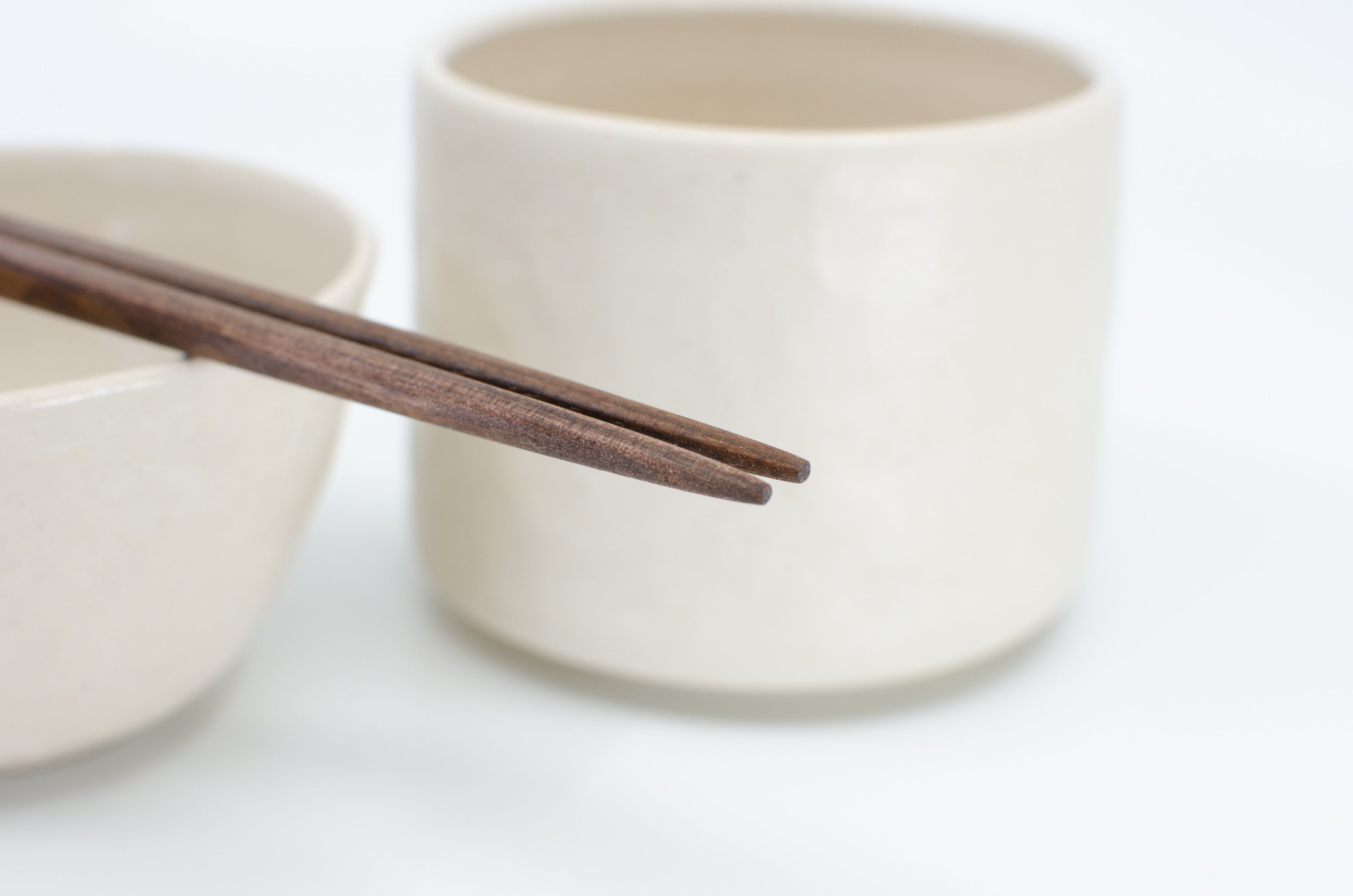
Every pair of Simpo chopsticks is designed, shaped, sanded and finished in Edmonton, Alberta, using cherry or walnut hardwood.
The manufacturing process transforms hardwood into a finished utensil through multiple stages. The shape must be created consistently, the surface carefully sanded and the finish properly applied. Each of these steps affects how the final pair looks, feels and performs.
Simpo chopsticks are finished with 100% pure tung oil and beeswax. Instead of hiding the wood beneath an opaque decorative coating, this finishing method allows the natural colour and grain of the cherry or walnut to remain visible.
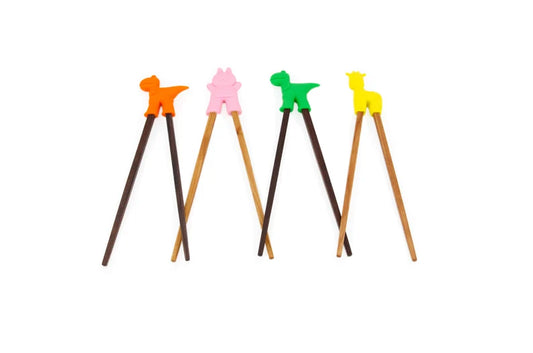
Customers can also choose between different chopstick shapes. Some styles provide a more traditional blunt end, while others offer a finer point for picking up smaller pieces of food. The goal is not to create one universal design, but to let customers choose a shape suited to the way they eat.
A Canadian-Made Alternative for Everyday Dining
Most chopsticks available in Canada are imported. Many are perfectly functional, but information about their manufacturing process, coating or exact material may be limited.
Simpo offers a locally manufactured alternative for customers who want:
- Hardwood chopsticks for repeated use
- Clearly identified wood species
- A disclosed finishing method
- Different shapes and tip styles
- A product manufactured and quality-checked in Edmonton
- A direct connection with the Canadian company making the product
This transparency is particularly valuable for an item that comes into direct contact with food and is used regularly.
Buying Local Does Not Mean Rejecting International Trade
Supporting Canadian manufacturing does not require consumers to reject every imported material or product.
Modern manufacturing frequently depends on materials, equipment and knowledge from more than one country. Canada and the United States also have deeply connected supply chains that have developed over many decades.
The more useful question is not whether every part of a product originated within one border. It is whether the company clearly explains the manufacturing work it performs and whether that work creates genuine value in Canada.
For Simpo, that value is created through the design, shaping, sanding, finishing and quality control completed in Edmonton.
How to Find Genuinely Local Tableware
Before purchasing Canadian-made tableware, check the product page or ask the seller:
- Where is the product physically manufactured?
- Which manufacturing steps are completed in Canada?
- What materials and finishes are used?
- Is the product intended for long-term use?
- Does the company provide appropriate care instructions?
A trustworthy maker should be able to provide specific answers.
Look beyond patriotic packaging and focus on evidence of real manufacturing activity. Clear descriptions such as “shaped and finished in Edmonton” tell consumers much more than imagery alone.
Bring Canadian Manufacturing to Your Table
Supporting Canadian manufacturing can begin with the objects we use every day.
Choosing locally made tableware supports the people, skills and production work behind the finished product. It also encourages companies to continue designing and manufacturing useful products within Canadian communities.
Simpo chopsticks combine hardwood, functional design and Edmonton-based manufacturing to create tableware intended for repeated everyday use.
If you are looking for Canadian-made chopsticks with clearly identified materials and a transparent production process, explore the Simpo collection and find the wood and shape that feel right for your table.